
Zone Health Living – Hair & Scalp Care Guide
As a hair stylist in New York for over 20 years, I’ve seen one simple mistake cause unnecessary breakage, thinning, and scalp irritation: using the wrong brush.
The right brush or comb is not just a styling tool — it’s part of your scalp care routine. At Zone Health Living, where we focus on organic scalp health, head spa treatments, and long-term hair growth for all genders (20s to 65+), we always say:
Healthy hair begins with how you touch it.
Let’s find the right tool for your hair type.
1. For Fine or Fragile Hair
Use: Detangler Brush + Soft Boar Bristle Brush
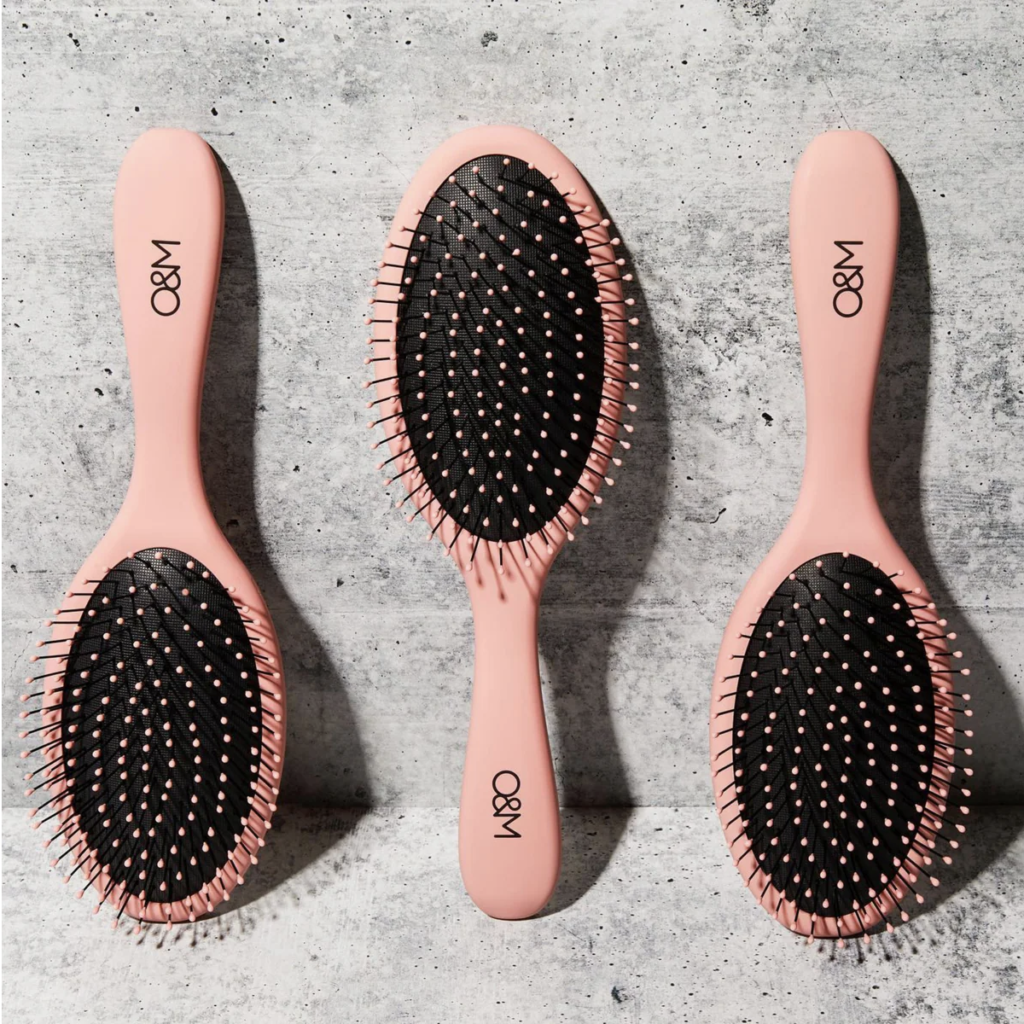
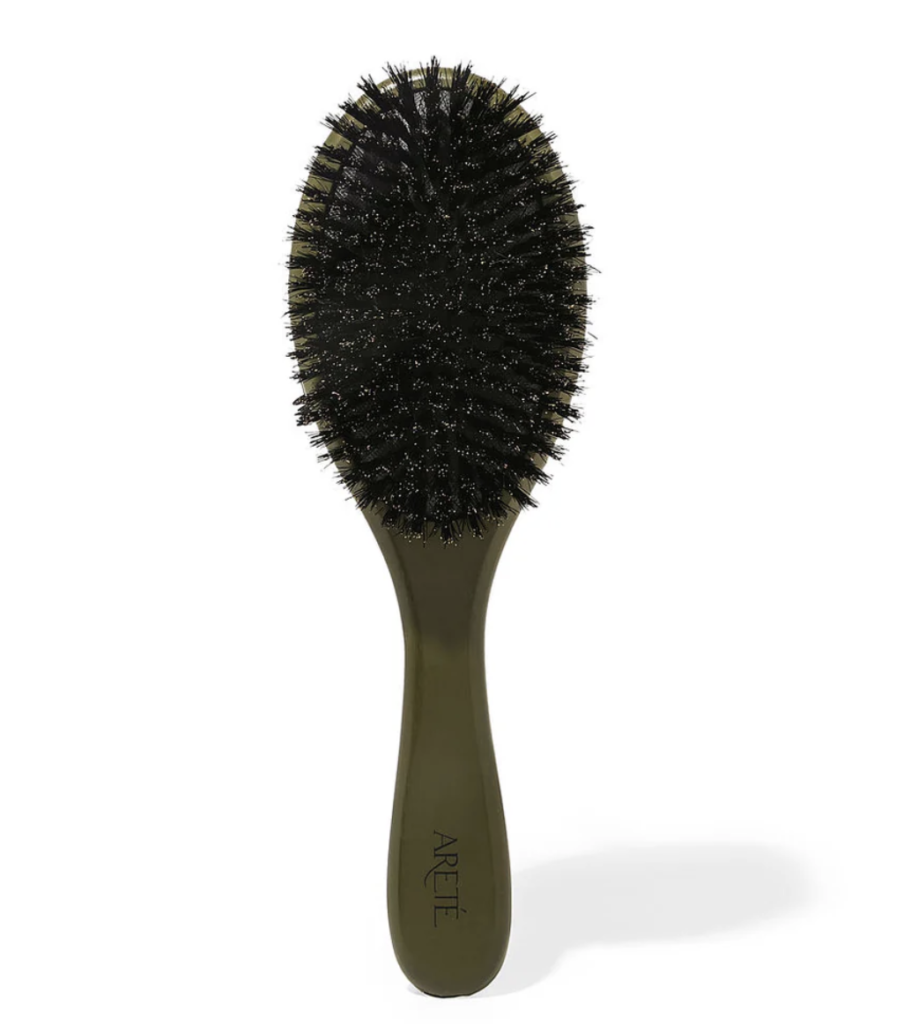
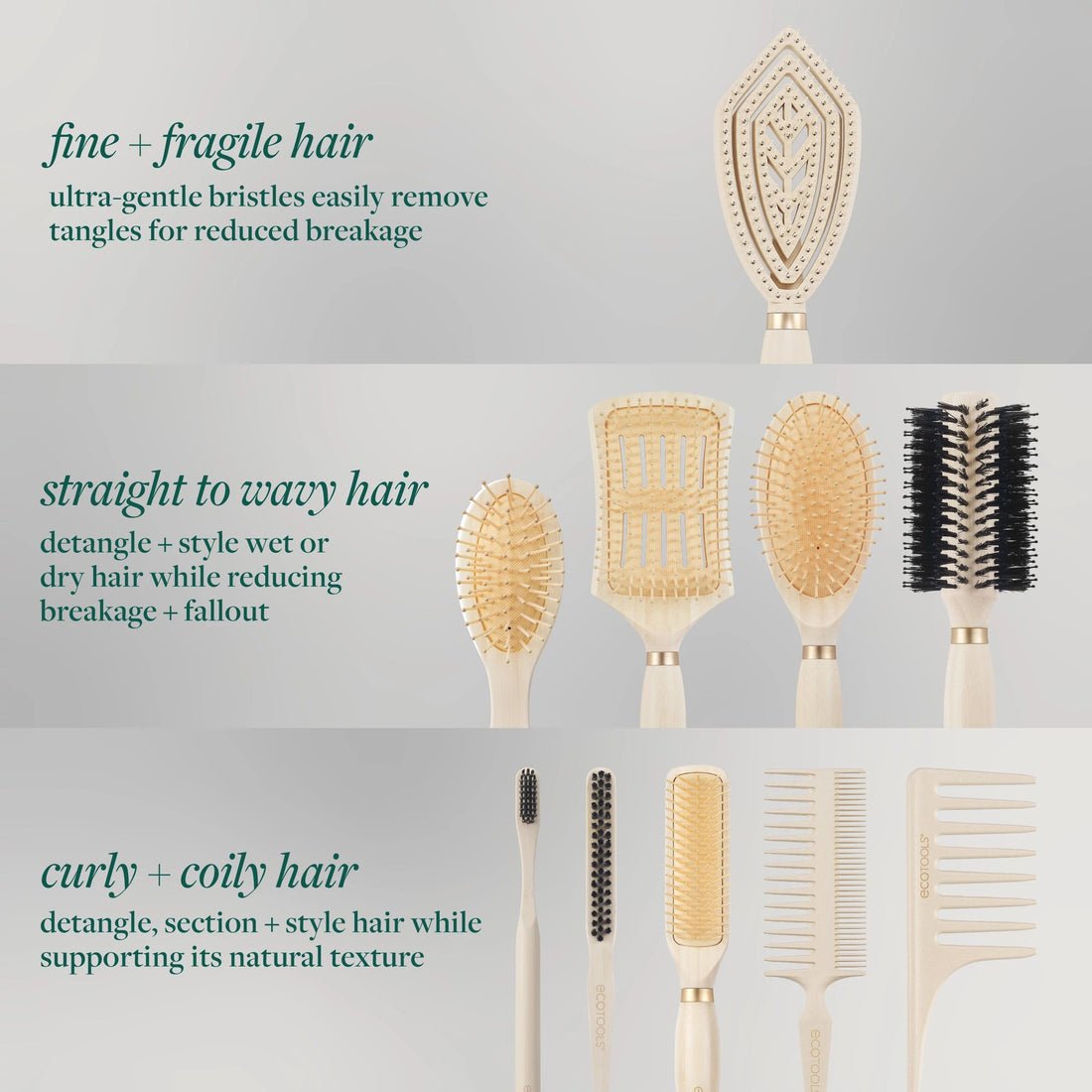
Fine hair breaks easily, especially when wet.
Why this works:
- A derangler brush gently detangles without pulling.
- A boar bristle brush distributes natural scalp oils from root to ends, adding shine without stress.
✨ Pro Tip: Always detangle from the ends and slowly work upward.
2. For Thick or Coarse Hair
Use: Paddle Brush + Strong Wide-Tooth Comb
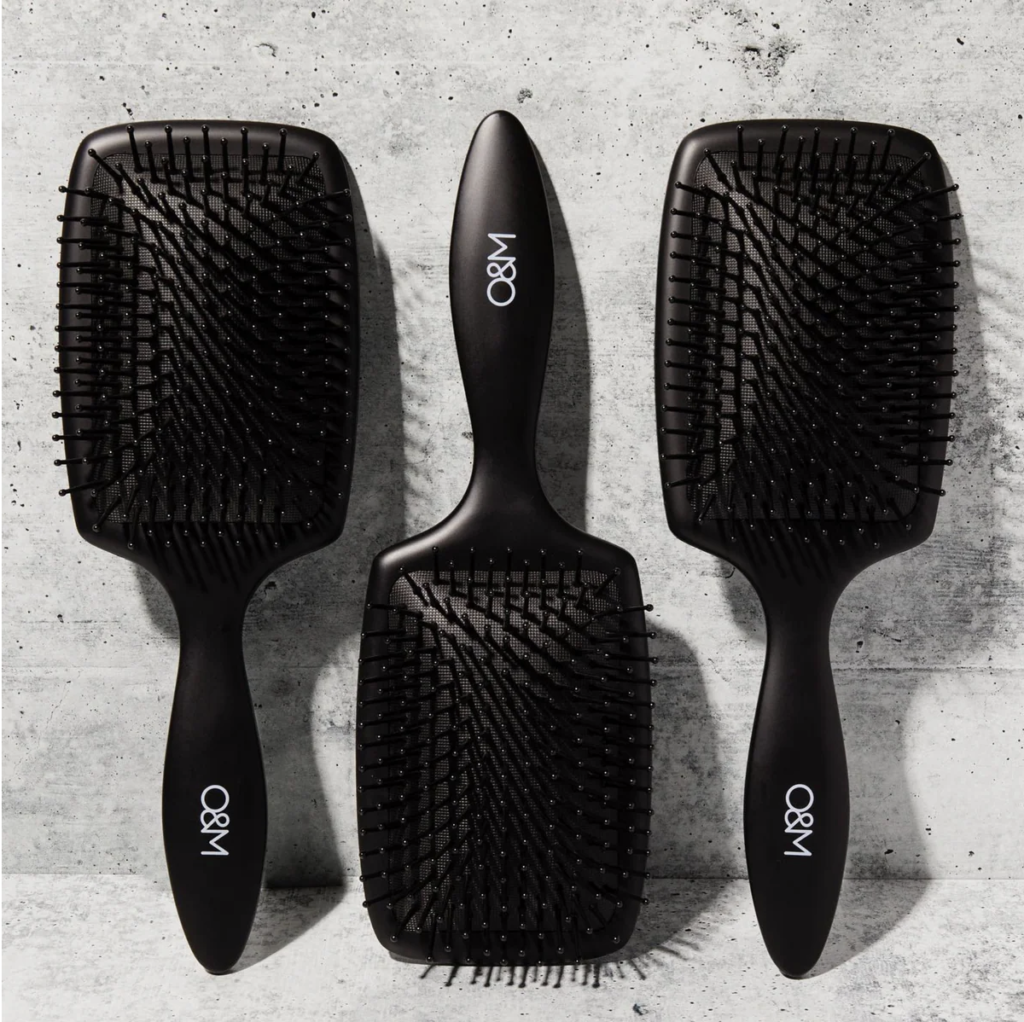
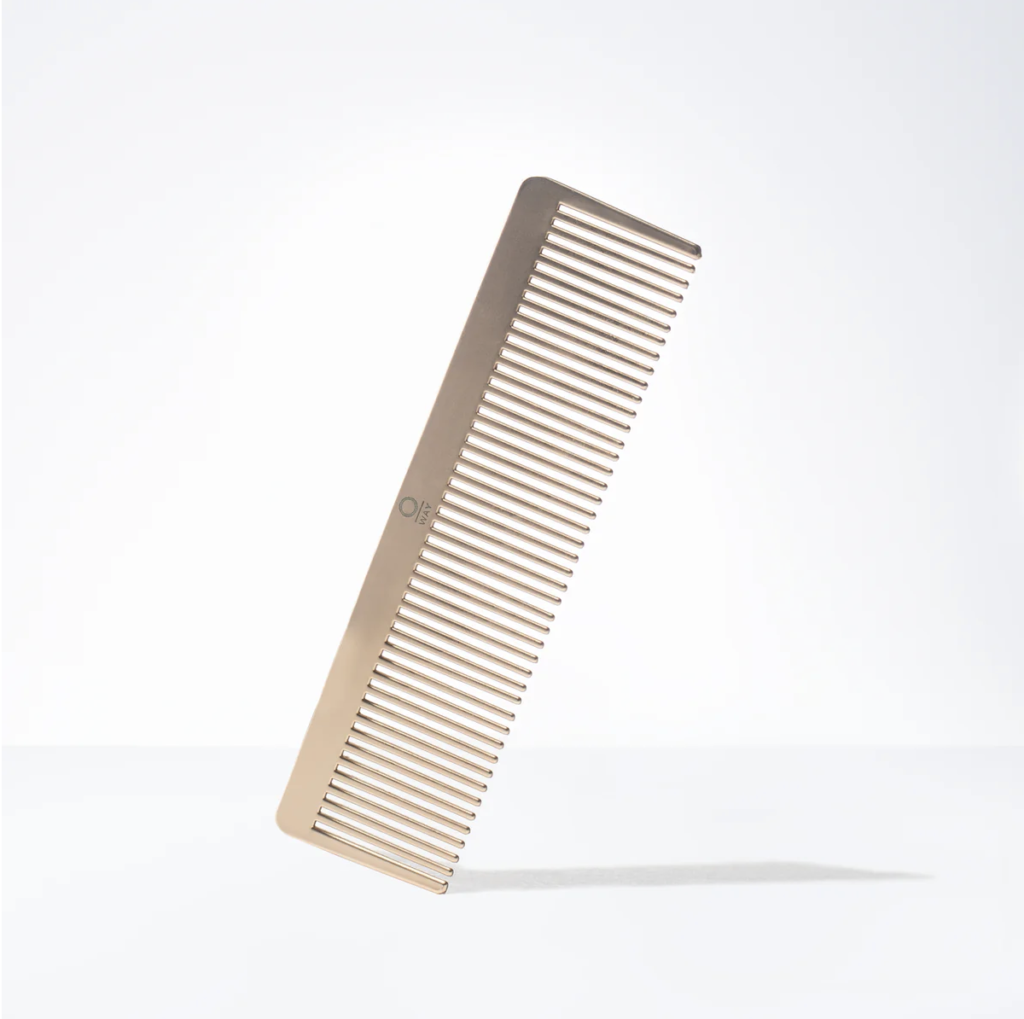
Thicker hair needs stronger structure.
Why this works:
- A paddle brush smooths large sections efficiently.
- A sturdy wide-tooth comb prevents snapping during detangling.
✨ For thick hair, brush in sections — patience protects your roots.
3. For Curly or Wavy Hair
Use: Wide-Tooth Comb (Mostly!)
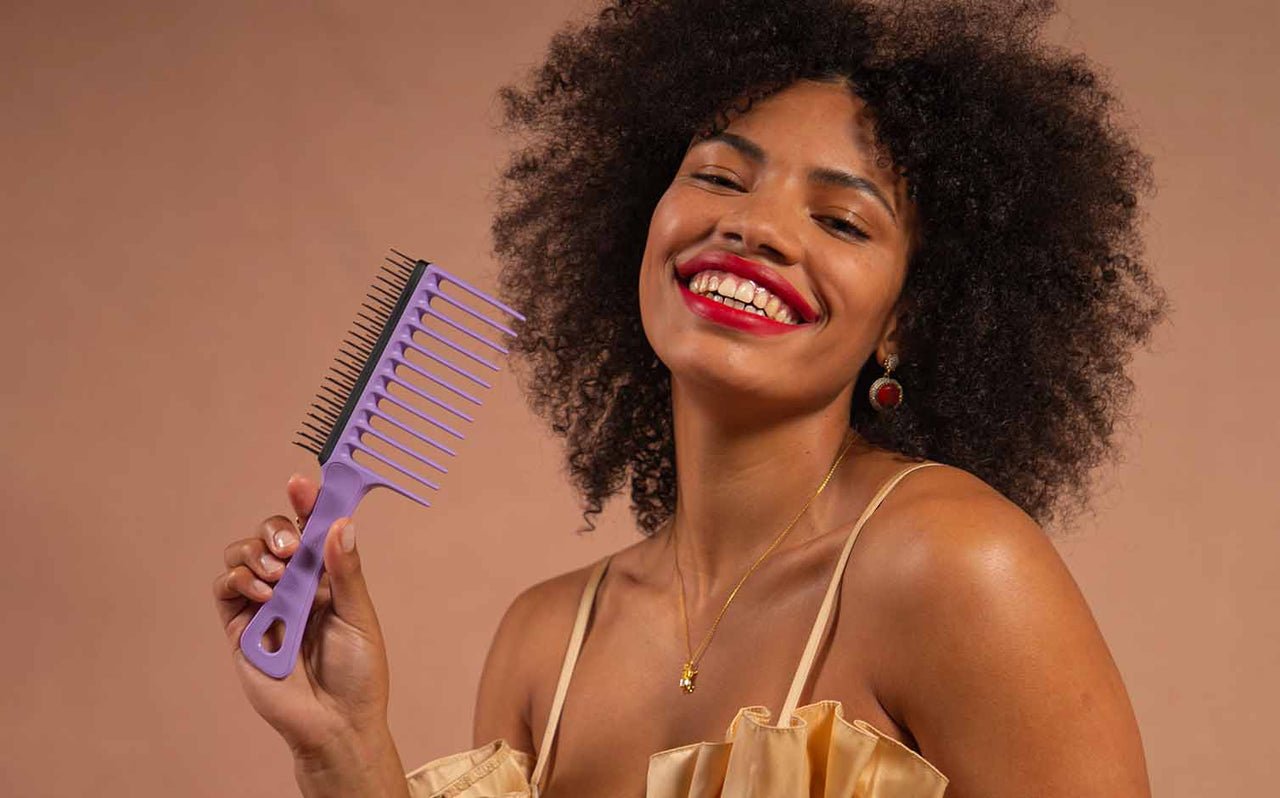
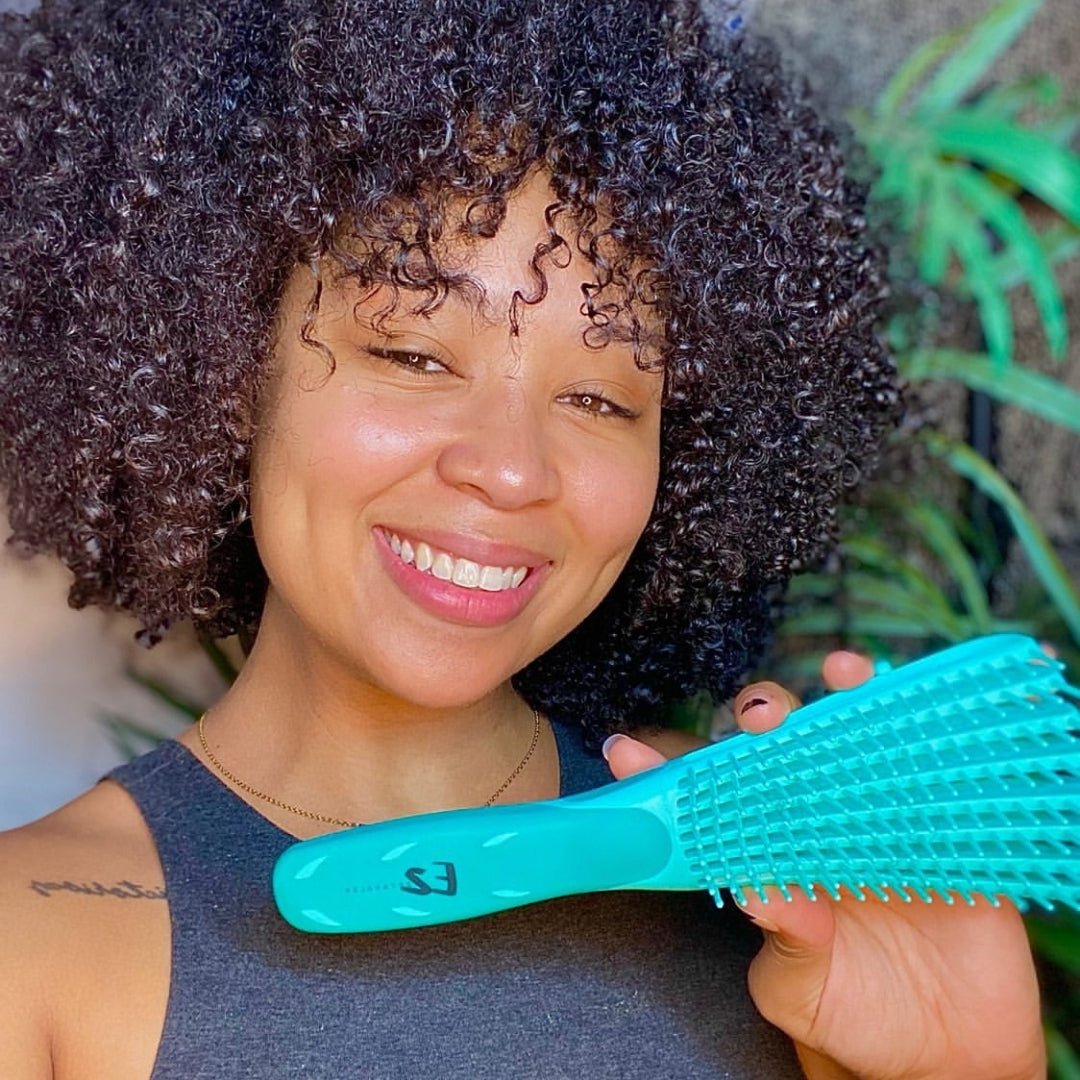
Curly hair is naturally drier and more delicate.
Why this works:
- Use a wide-tooth comb only when hair is damp and conditioned.
- Avoid frequent dry brushing — it causes frizz and breakage.
✨ For volume at the roots, an afro pick can gently lift without disrupting curl patterns.
4. For Scalp Stimulation & Hair Growth
Use: Gua-sha Comb or Scalp Massage Brush
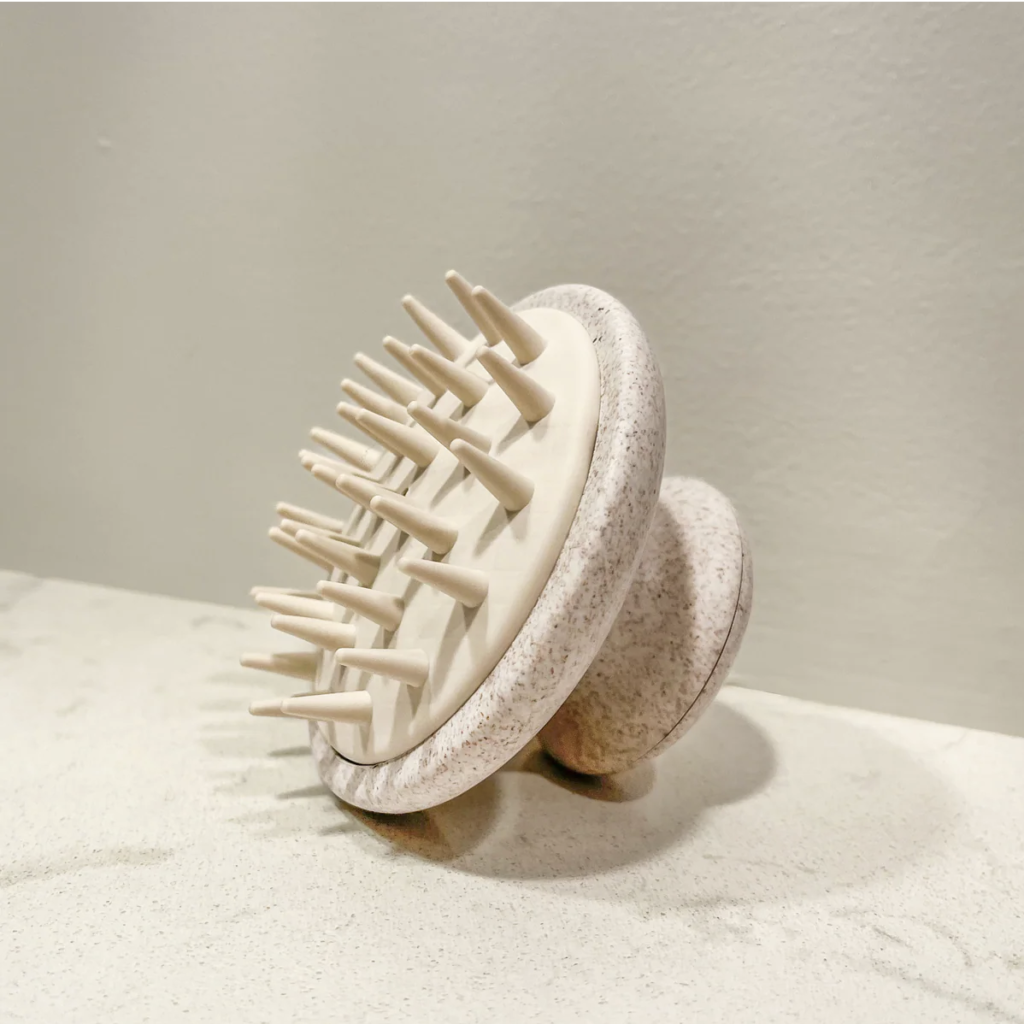
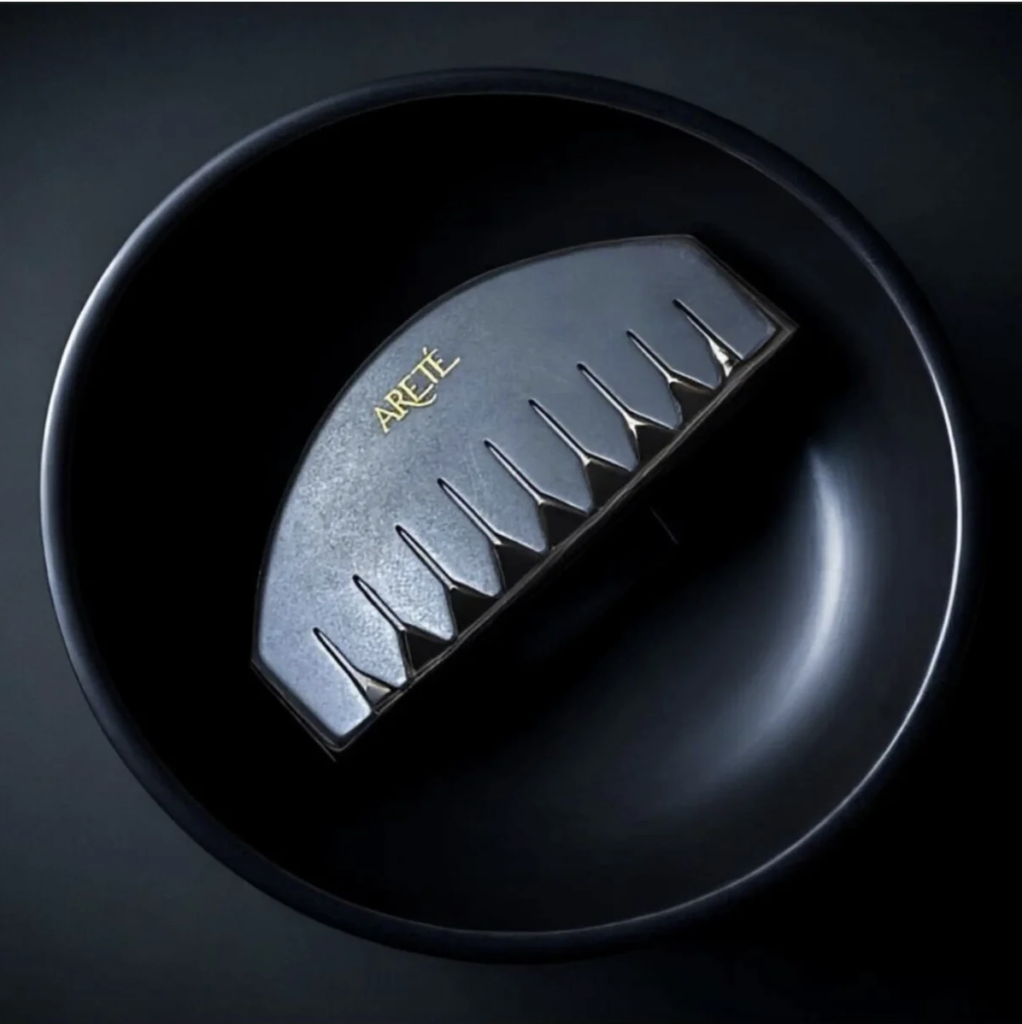
Brushing is not only about hair — it’s about circulation.
Why this works:
- A jade scalp Gua-sha gently stimulate the scalp.
- A soft scalp brush improves blood flow and helps remove buildup.
At Zone Health Living, our head spa and aroma oil head massage techniques focus on this principle:
Healthy circulation supports healthy follicles.
Gentle stimulation encourages oxygen and nutrients to reach the hair roots — supporting stronger growth over time.
Brushes to Avoid (For Most People)
- Metal brushes with sharp edges
- Very hard plastic bristles
- Overly small, tight round brushes used aggressively
- Brushing soaking wet hair without detangling first
These tools often cause silent damage that shows months later.
How Often Should You Brush?
It depends on your hair type — but generally:
- Fine hair: 1–2 gentle times daily
- Thick hair: As needed for smoothing
- Curly hair: Minimal brushing, mostly detangling
- For scalp health: Gentle stimulation 3–4 times per week
Remember: brushing should feel soothing, not painful.
Final Thoughts from Zone Health Living
Your brush is part of your wellness ritual.
Choosing the right one:
- Reduces breakage
- Improves scalp circulation
- Distributes natural oils
- Supports long-term hair strength
Hair care is not about force.
It is about intention, rhythm, and respect for your roots.
If you are unsure which brush fits your hair type, feel free to ask during your next head spa session — we are always happy to guide you toward healthier hair and scalp balance.
—
Zone Health Living
Organic Hair & Scalp Care | Head Spa | Aroma Oil Head Massage
NY